
Why Jimmy Buffett's abandoned studio still matters
It's a tiny waterside shed in Key West. But it's also so much more.

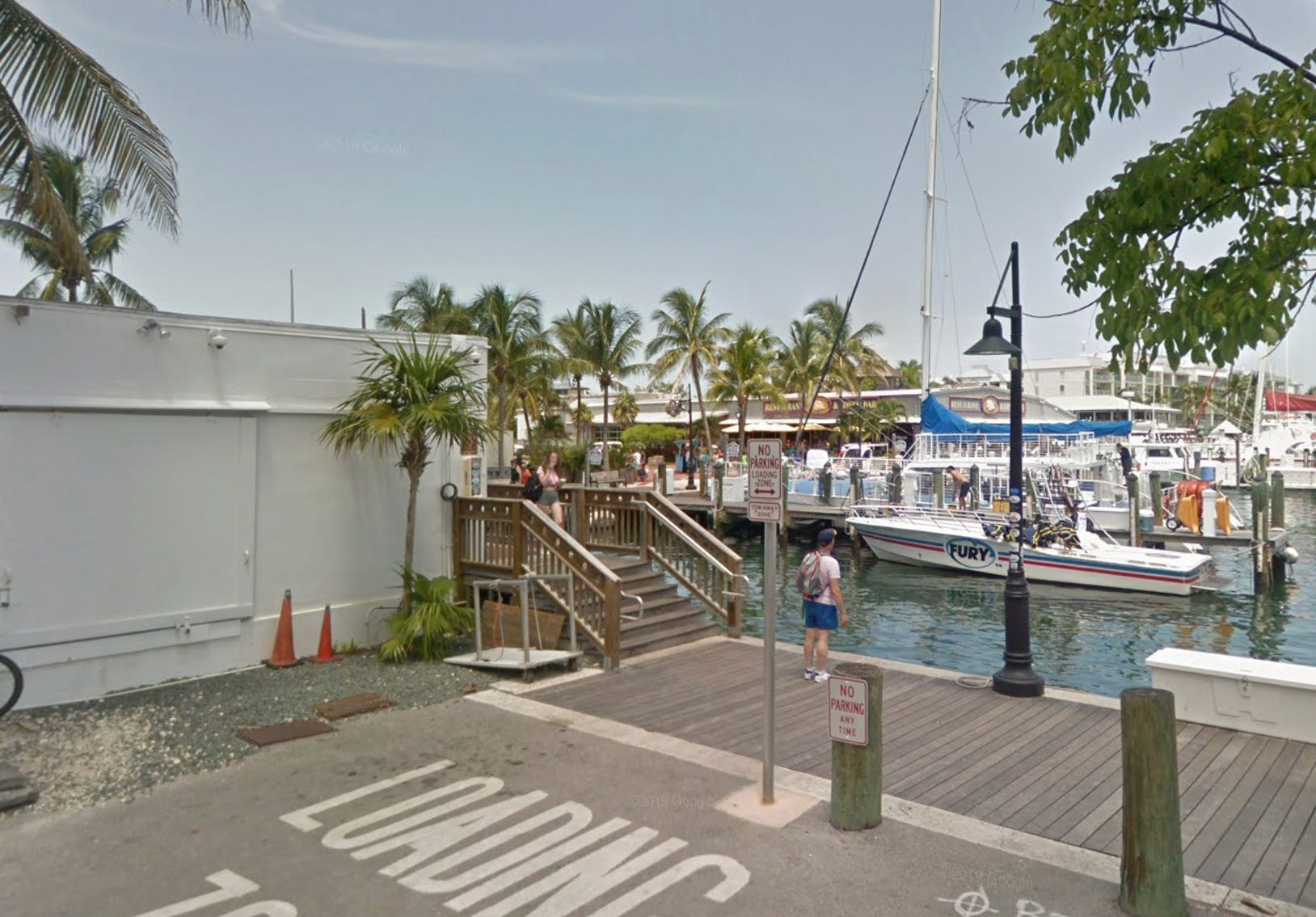
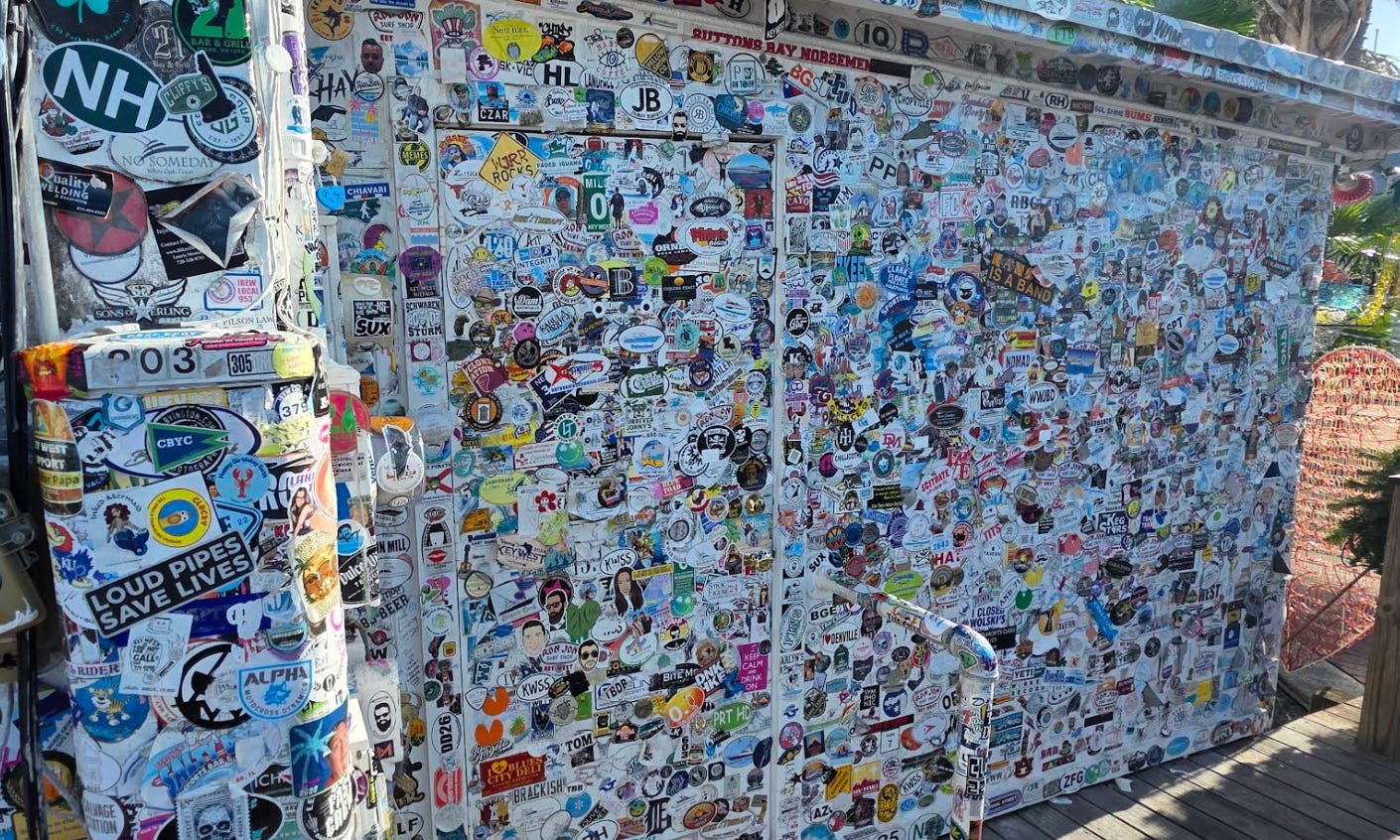
Tucked in among the bars and the boats of Key West, in among the cheap trinkets and expensive drinks, right there on Lazy Way, stands a small, squat building. Once an ice shed to store shrimp, it’s now covered with stickers outside, empty inside … and it happens to be the birthplace of some of the most truly American music ever made.
This decaying building was once the home of Shrimp Boat Sound, where legendary beach poet Jimmy Buffett recorded hundreds of tracks and dozens of classic albums. Everyone from Zac Brown to Kenny Chesney to Alan Jackson to Billy Corgan made their way down to Shrimp Boat Sound, hanging and recording in a tiny little studio that somehow looks much bigger on the inside than the outside.
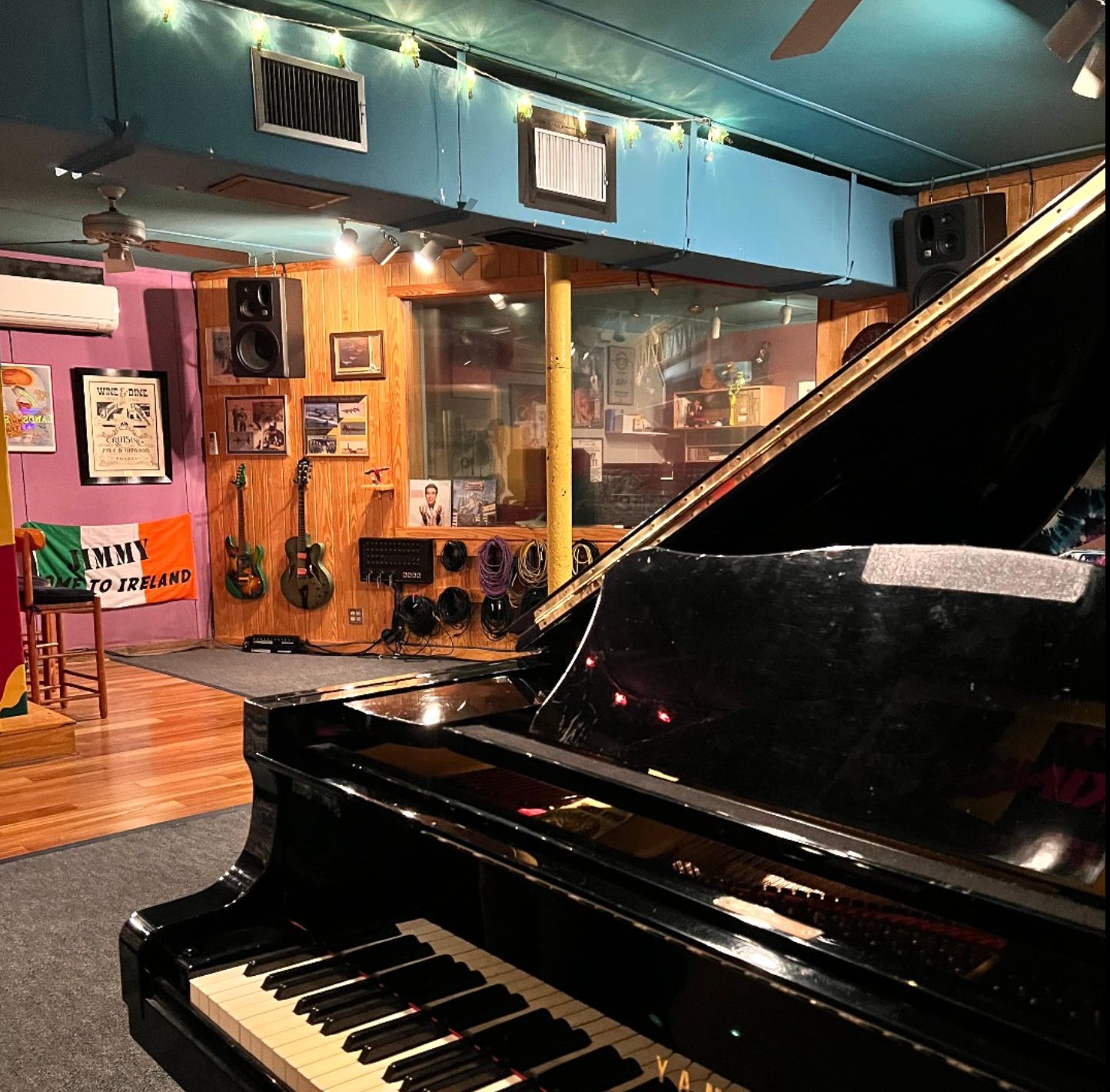
Alas, it doesn’t look much like that now. Buffett died more than two years ago, and the studio has emptied out the gear. The building sits abandoned now, covered by stickers, while the city of Key West tries to figure out what to do with the legendary — and conveniently located — property.
The question of the Shrimp Boat Sound building’s fate has been a topic of conversation in Key West for many months, but it burbled up to national consciousness last week when the Wall Street Journal told its story. As you’d expect, historic preservation is low on the list of potential future uses of the property. In all likelihood, the place will either become a retro-chic bar — because lord knows Key West needs more of those — or torn down, in order to build … another bar.
“There were so many great things about Jimmy’s studio, especially how low-key it was,” Kenny Chesney told the WSJ. “You could disappear into a completely nondescript building that had the most exceptional gear. Then when you needed a break, you could go walk around Key West, inhale that ocean air and just absorb the energy of all the writers from Hemingway to Tennessee Williams or Judy Blume who’ve all created there.”
Buffett’s best work was always tinged with more than a little melancholy, and the fate of Shrimp Boat Sound — from legendary hang to tourist-safe watering hole — is shaping up to be a Buffett song all its own.
There’s something about a recording studio that fascinates me, the way musical creation happens in this one tiny little space and then spreads out to the entire world. I’m a firm believer that certain places have resonance, that the walls of cathedrals and hospitals and war rooms and studios retain the intangible energy of what’s happened within them. Recording studios in particular can harness this energy, and in the hands of a talented engineer, you can hear the warmth of the walls within the bones of their songs.
I’ve written before about the magic of Sun Studios in Memphis, where the phenomenon that would become Elvis first appeared. One of my bucket-list plans going forward is to start visiting the classic studios of yore, places like The Hit Factory in Miami (where Clapton’s Layla and Other Love Songs, Fleetwood Mac’s Rumors and the Eagles’ Hotel California were recorded) and Muscle Shoals Sound Studio in Alabama (where tunes like “Brown Sugar,” “Wild Horses” and “Gotta Serve Somebody” were born). Hell, if you book time at Abbey Road Studios, you can apparently use the exact same piano, microphones, compressors and echo chamber that the Beatles themselves used.
The Beatles, in fact, are an interesting case study in the intersection of creativity and studio mastery. My favorite moment from the recent Beatles documentary “Get Back” is the two minutes where you can actually see Paul McCartney creating the titular song in about two minutes of real time. If you haven’t seen this clip, click through and watch it — it’s transcendent, watching McCartney pluck greatness out of the air, going from singing nonsense vowels over a single chord to crafting something now so familiar:


Best part of that clip is Ringo and George yawning and looking bored out of their minds as Paul effortlessly creates a song that will live forever.
I love that kind of spontaneous, determined creation. There was a time before every Beatles song — before “Star Wars,” before “Huckleberry Finn,” before before every song and movie and book you know and love — even existed, and then someone put their head down and did the work, and now you can’t imagine a world without them. Someone walked in a door, created a masterpiece, and walked out that same door into a changed world.
Thing is, recording studios with this kind of juice are becoming hard to find, and even harder to harness — and not just from a woo-woo spiritual perspective. My brother-in-law Toby Summerfield (who has a new album out today that you should definitely buy) patiently explained it to me this way: with so much music now being played through tiny laptop speakers or AirPods, used in such mundane ways as TikTok backing, there’s not as much demand for a full-on sonic experience that comprehensive studio engineering can create.
Whatever you’re reading this on now has the power to record and mix at an elite studio level, and the software tools exist to get that music to a pretty close digital equivalent of the warmth of analog recording. As with so much else, though, what we gain in efficiency, we lose in humanity.
I hit on the whole “we need to preserve what’s being lost” theme pretty hard last week with print newspapers, and here we are again with Jimmy Buffett’s studio. Yeah, it’d be an absolute tragedy to see that studio turned into yet another bar, even a Buffett-themed one. But the larger point is that it existed, that it was a nexus where immense talents came together and produced art that will resonate as long as there’s a beach and a beer.
Could they have done the same thing elsewhere? In a hotel room on the road, or in their bedroom, or in a studio in New York City? Maybe, but probably not. The specific alchemy of location and climate, camaraderie and vibe — and, yeah, a witches’ brew of weed, booze and coke too — provided the exact hothouse environment to create Buffett’s timeless evocations of boats, bars and beaches.
The lesson here, even for those of us who aren’t living and dying in three-quarter time, is pretty clear: Find your own Shrimp Boat Sound. Surround yourself with good people. Create your own little cheeseburger in paradise … even if it’s literally a cheeseburger. The world needs all the genuine human creation it can get right about now.
See you Friday. I’ll crack a cold one this week in your honor.
—Jay
Land Cat, Georgia
This is issue #174 of Flashlight & A Biscuit. Check out all the past issues right here. Feel free to email me with your thoughts, tips and advice. If you’re new around here, jump right to our most-read stories, or check out some of our recent hits:
Go watch Home Turn, our new show for NASCAR Studios
Hey, my new book is out!
What we lose when we lose print newspapers
Talking Southern culture with the great John T. Edge
Crime and college football, a glorious pairing
Our first documentary, on the famous Rama Jama’s diner in Tuscaloosa, Alabama
What does “Flashlight & A Biscuit” mean, anyway?
Keep in touch with me via email or Substack message:
And load up a to-go box before you leave:
If you dig this newsletter, share it with your friends. Invite others to the party, everyone’s welcome.

Cheers, Jay! I enjoyed that. One of my favorite visits was the afternoon I spent in Hemingway's home in Key West. To see the room, the desk, the typewriter that he used. An experience that remains with me.
Just came here to say what a beautiful read and I would be more than happy to travel to all those special places with you. These are the places that live in our hearts and give meaning to our lives.